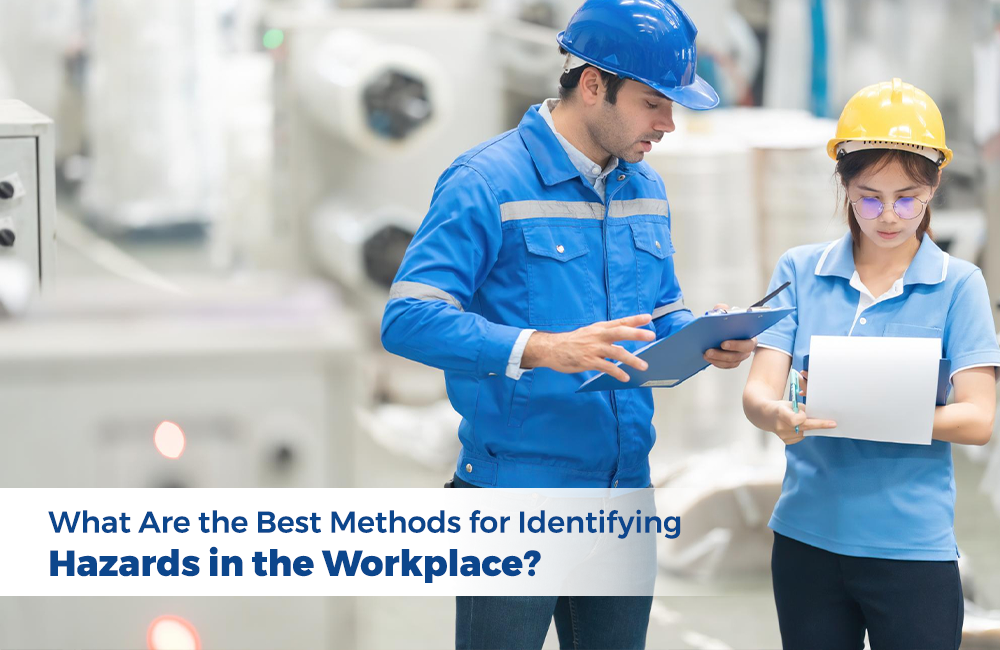
Is there any workspace without hazard identification methods in place? If yes, they are subject to danger. Hazard identification is a process followed by the employers to protect their staff by recognising potential dangers. It is required to maintain safety, increase productivity and ensure employee well being.
Hazard identification is not only a matter of legal obligation. It’s about saving lives, time and costs. Enrolling in a CSP course in Dubai helps implement these methods to identify hazards in the workplace.
What Is Workplace Hazard Identification?
Workplace hazard identification means looking for causes that cause harm or illness in a workplace. It can be objects, machines, methods, or situations. It’s a proactive approach that covers everything including near misses. Every employee prefers to work at a place that feels safe for them. It is also the responsibility of employers to ensure the safety of workers. Hazards include physical, chemical, ergonomic and psychosocial hazards. Hazard identification covers all these aspects.
Why Identifying Hazards is Critical in Every Workplace?
Early hazard identification will enable you to take control measures to avoid accidents, injuries, and costs associated with them. Employee participation in reporting possible hazards will promote a culture of safety in the organisation. There will be fewer injuries, and consequently, there will be lower compensation claims.
Hazard identification by workplace risk assessment is necessary to reduce hazards and ensure safety. You can’t prevent a risk if you don’t identify it. Not being able to recognise a hazard will cost you dearly. Now let’s see the methods for identifying hazards in the workplace.
Top Methods for Identifying Hazards in the Workplace
Regular Workplace Inspections
Scheduled safety walks or safety rounds are ways of identifying hazards in the workplace. They assist in the identification of risks, unsafe practices, and maintenance problems before they result in accidents or injuries. This is done by visiting the workplace and analyzing it, as opposed to just analyzing the reports.
Inspectors usually look for chances of trips and slips including wet floors, tools left in walkways, inadequate lighting etc. They also evaluate chemical hazards by ensuring hazardous substances are managed and labelled correctly.
Job Safety Analysis (JSA)
Job safety analysis is the process of breaking down tasks to spot potential hazards. It includes identifying high risk jobs, defining the start and end points, breaking it down into steps, recognizing potential hazards and drafting preventative measures. This is one of the effective methods for identifying hazards in the workplace.
Employee Safety Training & Engagement
Employee safety training is a method to prevent accidents in the workplace. This helps prepare staff as the first line of defence against workplace hazards. Along with implementing safety practices, equipping employees with knowledge and skills helps you prevent risks to a great extent.
Trained employees often spot hazards as they have a deep knowledge of the everyday tasks they do. Supervisors may miss it because they have to manage multiple areas and tasks.
Near-Miss & Incident Reporting
A near miss is one of the critical ways of identifying hazards in the workplace. It is a dangerous event that almost occurred but resulted in no damage or hazards. Nearly missed doesn’t mean it’s safe and won’t happen again. Reporting this helps find the cause and prevent it happening again. This involves focusing on ‘what happened?’ and ‘how to fix this?’ rather than asking ‘who did this?’.
Best Practices to Support Hazard Identification Programs
Preventing accidents is better than mitigating its effects after it happened. Therefore your focus should be keeping your eyes open to find hazards during working. By following this practice, you can reduce additional expenses and proper workflow.
Risk identification is the first step. The second step is acting against it and keeping it under control. Record the results by establishing a risk register and revising safety documents. Create an action plan for long term goals and things that need immediate attention. Conducting periodic reviews and updating hazard lists ensure workforce safety, legal compliance, and operational efficiency.
Challenges in Identifying Hazards and How to Overcome Them
There are some hurdles in the way of identifying workplace hazards. Common among them is a lack of training. Lack of adequate training of employees means that they are unable to identify workplace hazards. Putting extreme pressure on workers forces them to skip safety checks to complete tasks. A complacent attitude is developed when there have been no incidents due to small unsafe working practices for a long time.
These hurdles can be removed by developing a safety culture. Promoting a reporting culture among employees will encourage them to report hazards including the near misses. Safety training should be provided at regular intervals to make this happen.
How Professional Certification Boosts Hazard Identification Skills?
Receiving CSP training equips you with the skills to identify, evaluate and mitigate workplace risks. The training covers systematic hazard identification techniques, Job Safety Analysis, Advanced methodologies etc. This course offered in Dubai is of international standard. Upon successful completion of the course, you will be able to lead safety programs, perform risk assessments, and provide hazard controls.
The role of workplace hazard identification is important in ensuring a safe workplace. Inspections, Job Safety Analysis and employee training are required to prepare your staff to recognise and take the necessary steps to prevent or mitigate accidents. This is not just a one-time program but a continuous process to follow. So, investing in employee safety training is not an option anymore but the right and essential thing to do.
Go for CSP certification training if you intend to enhance your safety skills.


Subscribe our Newsletter
Sign up to receive more information about us.