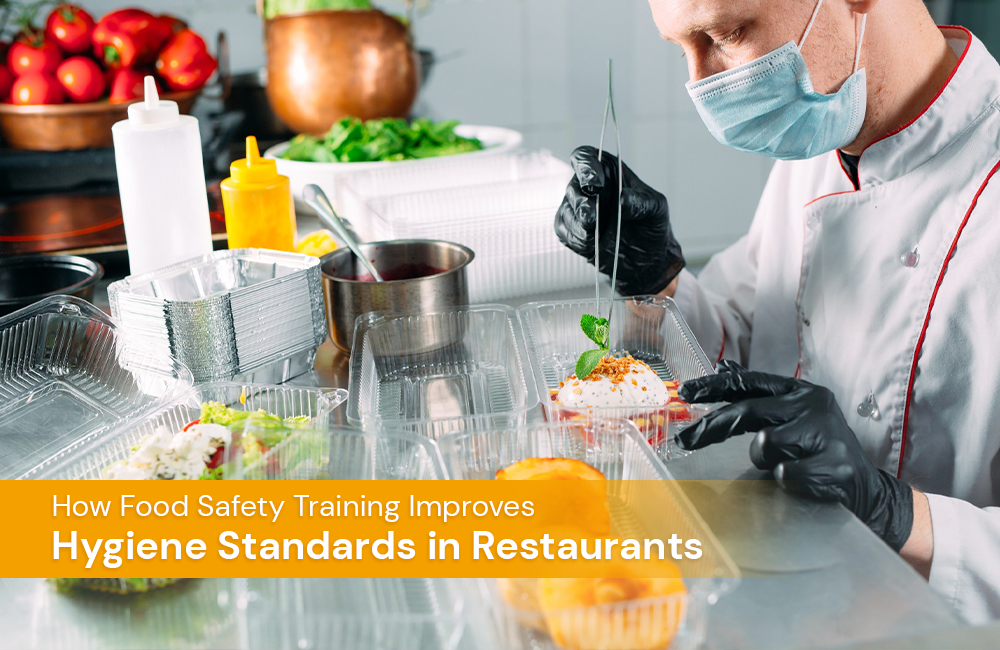
Imagine going to a restaurant to have dinner. But it was unhygienic with uncleaned tables and flies. Would you go there again? No one will go there a second time. Therefore it is essential to have high levels of hygiene in restaurants. Foodborne illness affects 1 out of 10 people in the world.
If food is not well handled, pathogens like Salmonella and E. Coli grows in the food. Consuming food containing these pathogens can be harmful. This highlights the importance of food safety training among staff.
You can enroll for food safety courses in UAE to improve your knowledge on food safety.
What is Food Safety Training?
Food safety training is a training program to educate food handlers on how to safely handle food. Through this education restaurant staff will be able to understand how to prepare, store and serve food.
The training includes topics like contamination risks, sanitation procedures, temperature control, and personal hygiene. This training helps restaurants avoid food poison incidents and maintain a safe kitchen.
The Importance of Hygiene Standards in Restaurants
Hygiene is the most important aspect in food safety. Food establishments deal with a lot of food on a daily basis and any mistake could lead to food contamination.
Some of the severe consequences that could arise from poor food hygiene practices include food diseases, fines from the government, and negative customer feedback.
Keeping the restaurant clean and adhering to safety standards is not only a necessity for food service providers, but it is also an important aspect in gaining the trust of customers.
The food safety training in restaurants is successful when the staff are well-trained in adhering to hygiene practices. This includes maintaining clean working areas, as well as safe food service practices.
How Food Safety Training builds strong hygiene practices?
One of the key elements that greatly help in the development of good hygiene practices among restaurant employees is the training in food safety. The employees are trained on the ways to maintain good hygiene practices, an aspect that is very important in the food industry.
The restaurant employees are trained by certified professionals in the industry, an aspect that helps them understand the importance of good hygiene practices. This helps them to maintain good hygiene practices when working with food.
The training helps to identify any possible risks that may affect the hygiene of the food. The employees are provided with food safety training that helps them understand the hygiene standards in the industry.
Practical Food Safety Skills Learned Through Training
Safe Food Handling Practices
The importance of food safety training in restaurants underline the relevance of safe food handling practices. These practices have been useful in reducing the risks of cross-contamination while the food is being prepared and served.
Trained staff knew how to handle food ingredients, importance of self hygiene and to keep the food items safe till serving to the customers.
Cross Contamination Prevention in Kitchens
Preventing cross contamination is the first step in maintaining a safe kitchen environment. Harmful pathogens spread to cooked food when they come in contact with raw food materials.
The training helps staff understand the seriousness of cross contamination problems and educate them to use separate cutting boards for both food items. Thus the training helps them maintain a clean kitchen.
Proper Food Storage Safety
The other important issue that is included in training is food storage safety. It is beneficial in the maintenance of the freshness of the food as well as the prevention of the growth of bacteria. The training provided to the staff includes the right storage temperature, labeling, and the appropriate management of the refrigerator.
Personal Hygiene and Kitchen Cleanliness
The importance of personal hygiene in food safety is unavoidable. Personal hygiene of the staff working in the restaurant plays a crucial role in determining the hygiene of the food.
How to wash hands properly, the right way to use protective equipment and the relevance of wearing clean uniforms are included in the training.
Risks restaurants face without proper food safety training
Restaurants that do not have food safety training may be subject to a number of food hygiene issues. This is because they may not be aware of how to carry out proper food safety procedures.
Some of these issues include improper food cleaning procedures, poor cross-contamination prevention procedures, and incorrect food storage safety procedures.
This could lead to a violation of food safety by the restaurant, hence posing a health hazard to the customers.
It is, therefore, important for a restaurant to undertake food safety training to ensure it does not face a violation of the same.
How professional training strengthens restaurant food safety systems?
Professional training programs and food safety certification enable food service providers to develop an effective food safety system. This helps employees understand the importance of food hygiene regulations and practice food safety habits.
When employees are well trained, the kitchens become clean and food contamination gets prevented. Food service providers in the UAE update themselves with the latest food safety practices by attending food safety courses.
Challenges restaurants face without proper Food Safety Training
Restaurants that are not well trained in food safety may face a number of challenges such as a lack of knowledge of hygiene among the employees. The employees may not be aware of how to keep the food clean, maintain proper hygiene and sanitation, or how to avoid the contamination of the food they are serving to the customers.
Poor cross-contamination prevention techniques and inadequate food storage safety techniques may result in customer health hazards.
The problems may also lead to issues of regulations, inspection, and damage to the restaurant’s reputation.
The importance of food safety training in restaurants can be seen in the avoidance of the aforementioned problems.
How Food Safety Certification Supports Restaurant Hygiene?
By acquiring food safety certification, the staff in restaurants will be in a position to learn about the regulations and practices of food safety.
The certification helps them understand the guidelines regarding the practices of food safety. Through this process, the skills of food safety handling practices will be enhanced.
Many food industry professionals seek to advance their knowledge regarding the regulations and practices of food safety. Restaurants across the UAE seek to comply with the regulations of food safety through food safety courses.
Hygiene is an important aspect that restaurants should consider in order to ensure the health of their customers. The cleanliness of the kitchen and food handling are significant in this aspect.
The value of food safety training in restaurants is immense. The staff of the restaurants become capable of handling the food safely through the food safety training.
Once the restaurants achieve the food safety certification, the skills of the staff become even more enhanced, and the restaurants become able to meet the high standards of the industry as well as gaining the trust of their customers.
Organizations like Crescosafe assist the professionals of the food industry with their food safety course in Dubai.

Subscribe our Newsletter
Sign up to receive more information about us.