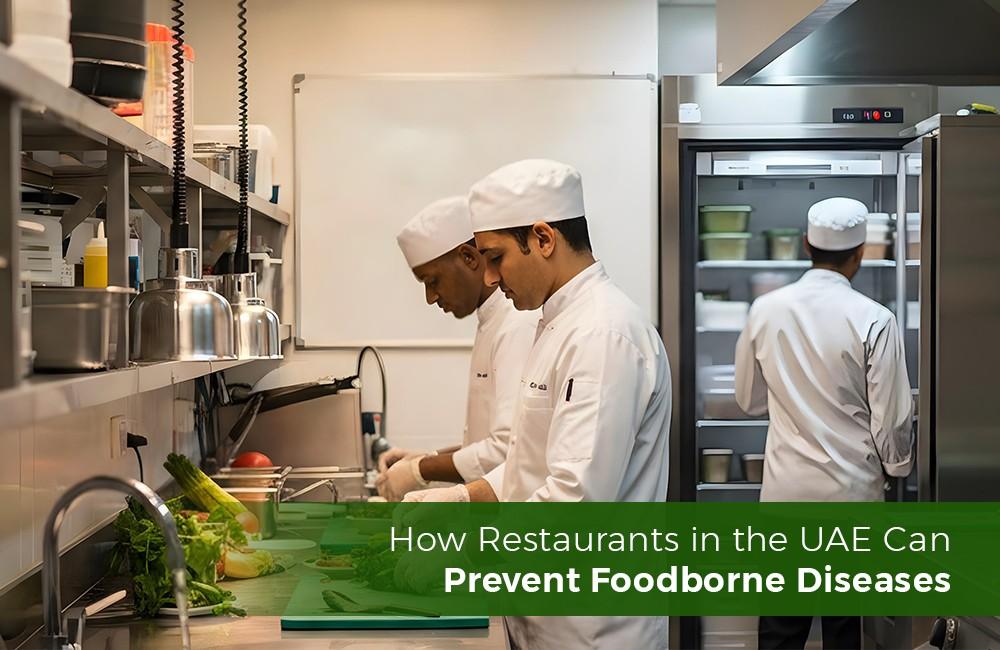
Have you ever been food poisoned? As a result, vomiting, diarrhea, or a fever accompany you? This usually happens because of compromises in food safety. Food safety is a necessity around the world. However, it is a greater necessity in the United Arab Emirates, considering its developing hospitality sector. This underlines the significance of ensuring that food safety is not only a choice but a need in Dubai. As a result, the necessity to have food safety experts and food safety groups to meet the needs arise. This in turn increases the need to have basic food safety training in UAE.
What are Foodborne Diseases and why are they common in Restaurants?
Generally, foodborne diseases spread through the intake of impure food and water. This category of diseases is lethal. It can even lead to death. Contamination occurs through cross-contamination, poor personal hygiene habits, incorrect temperature, improper surface sanitization, etc. In addition, improper handling, cooking, and storage increase the chance of foodborne diseases. This results in bacterial growth and contamination because of improper hygiene and temperature control. Pathogens like Salmonella and E. Coli grow when food is contaminated.
Common Food Safety Risks Faced by Restaurants in the UAE
A few of the issues that restaurants in the UAE are obligated to deal with include extreme temperatures, high staff turnover rates, and complex regulatory compliance. Another risk that may occur in restaurants is cross-contamination. This usually happens when bacteria and viruses are transferred from raw food items to the prepared food.
Lack of proper control of temperatures has also been cited as one of the elements leading to bacterial growth in food. 40°F to 140°F (4°C to 60°C) is called the danger zone where bacteria multiply rapidly. Poor personal hygiene among food handling staff is another safety risk in restaurants. This negatively affects the health of customers and the brand reputation.
Importance of Food Safety in Restaurants
The reputation of a restaurant is given by the customers. It is vital that customers are satisfied and safe at the same time. Hence, it is crucial to ensure food safety in restaurants, keeping away diseases at bay. Restaurants can make it happen through strict sanitation, proper food handling, and storage practices.
Good safety practices in food handling like the implementation of HACCP, high standards of hygiene maintenance, and traceability of the product meet the safety standards set by the UAE municipality. These practices prevent contamination, reduce foodborne illnesses, and ensure compliance with UAE regulations.
As we mentioned before, food safety is important for every restaurant because it directly affects the brand’s reputation. Once a restaurant is behind food poisoning causes, people will never prefer to eat from there. The brand name is gone forever.
Key Practices to Prevent Foodborne Diseases in Restaurants
Proper Food Handling and Storage
Safe food storage temperatures are sure to prevent the occurrence of foodborne diseases by inhibiting the growth of bacteria. It is essential to keep cold foods below 4°C and frozen foods at -18°C or lower.
The FIFO method (First-In, First-Out), helps to ensure that items with the earliest expiration date are sold out first than the latest ones. Proper labelling helps to identify, track and rotate inventory to reduce the risk of food wastage.
Staff Hygiene and Food Safety Training
Proper hand washing plays an important role in the prevention of food contamination. It involves removal of food pathogens before they enter food. This interrupts the continuity of infection from spreading to others and its progression.
Certified food safety training for restaurant staff is mandatory because it reduces the chances of contamination from their side. Food contamination can occur during the food preparation, handling, packaging and storage phases. Training staff to counter these problems ensure the safety of customers.
Kitchen Cleaning and Sanitization
Food safety in restaurants begins with the maintenance of cleanliness. This includes the sanitation of kitchen equipment, which helps eliminate food pathogens. The process of keeping kitchen gadgets clean involves the elimination of food particles. Sanitizing equipment kills the bacteria.
Pests like rats and cockroaches can be kept away from the kitchen by following effective pest control practices. Sealing cracks, gaps, installing screens/air curtains and following proper waste management prevents them from entering the kitchen.
Role of Food Safety Inspection in the UAE
Food safety inspections operate under municipalities and bodies like the Abu Dhabi Agriculture and Food Safety Authority (ADAFSA) in Dubai restaurants. The food inspectors make surprise visits and check the food hygiene and food quality. They look for improper storage temperature, poor personal hygiene, cross-contamination, etc. Such food safety practices, if found, are dealt with severe actions against the restaurants. Hence restaurants never compromise on food safety measures and restaurant hygiene practices.
How Restaurants Can Prepare for Food Safety Inspections?
It is important to have proper documentation of the food safety in order for customer safety, compliances, and liabilities to be covered. Documentation shows evidence of control of hazards, quick traceability in the case of recall, and if a task is not documented, then it is not considered to be done. Regular internal checks on a daily basis help in the early detection of problems, thereby taking necessary steps to avoid them. Being prepared and aware within the staff before the inspection helps in avoiding a rush and any kind of panic, ensuring food safety inspections do not pose a risk.
Benefits of Regular Food Safety Audits
Safety audits can help in identifying the potential hazards before the situation becomes uncontrollable and results in foodborne illness outbreaks. Audits can help in identifying the hazards before they are considered dangerous. Therefore, audits can be very instrumental in preventing any situation that can lead to fines and punishments, or even closure of restaurants.
The rules and regulations of food safety in UAE are very strict, and it becomes necessary to maintain these compliances in all restaurants. There are various safety practices implemented by restaurants to ensure customer safety. Inspections carried out by local municipalities ensure that all restaurants follow them.
Cresco Safe offers the best food safety courses in UAE . We offer a wide range of internationally recognized courses designed to equip individuals and businesses with essential skills and qualifications.


Subscribe our Newsletter
Sign up to receive more information about us.