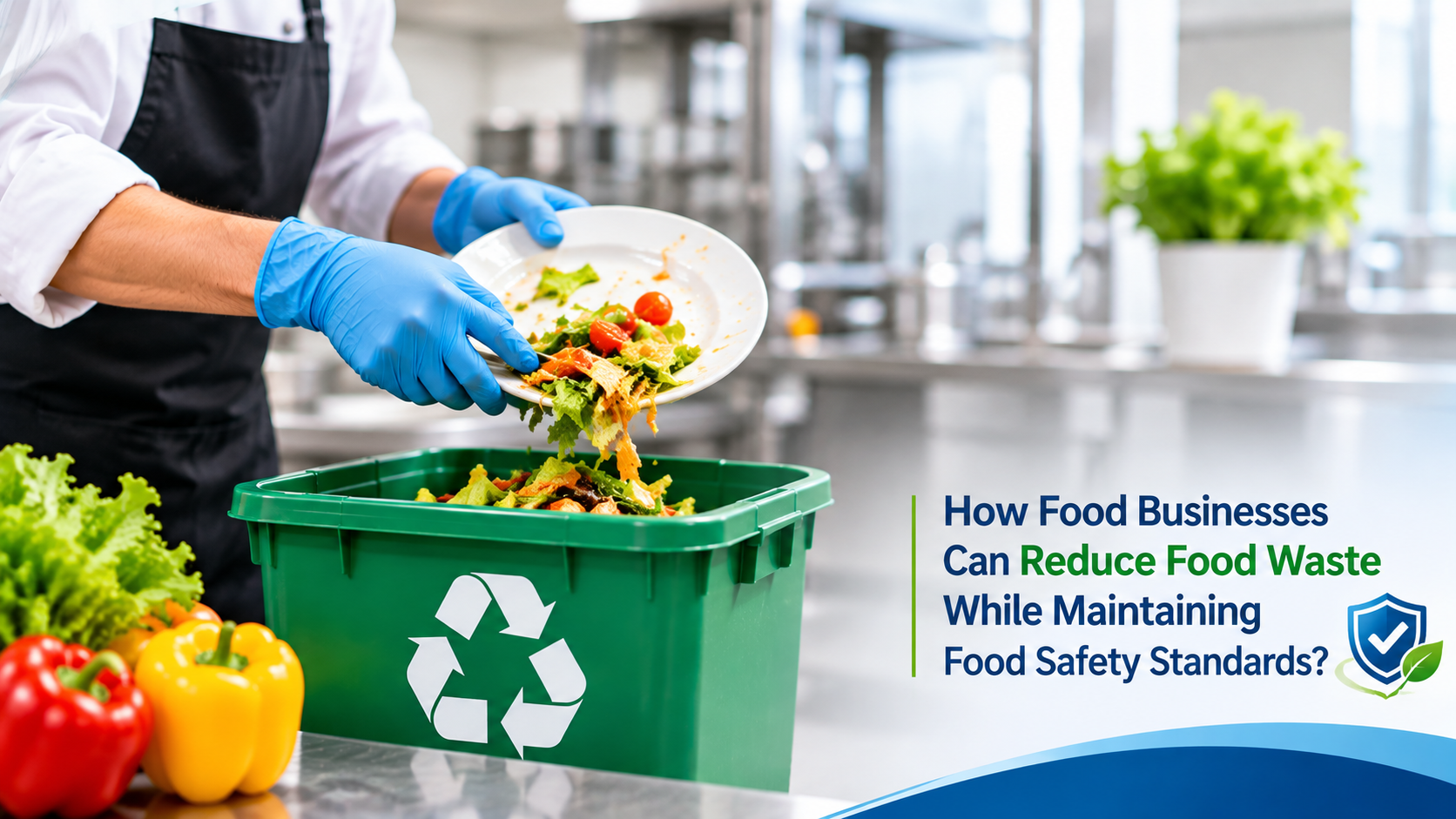
Food waste is a common challenge for restaurants, hotels, catering companies and other food businesses. Poor storage, overproduction, incorrect stock rotation and improper food handling can cause large quantities of food to go to waste. While reducing waste helps control costs and improve efficiency, it should never come at the expense of consumer safety. Food businesses need structured practices to manage both responsibilities. Understanding how HACCP certification supports food safety management can help businesses minimise avoidable waste while maintaining hygiene standards. For aspiring food handlers, food safety training in Dubai and India also provides practical knowledge for working responsibly in the food industry.
Why Food Waste Reduction Must Go Hand in Hand with Food Safety?
Food waste affects more than a business’s food inventory. It increases purchasing costs, reduces profitability and creates unnecessary pressure on daily operations. Common causes include ordering excessive quantities, poor storage conditions, incorrect temperature control and inadequate stock rotation.
However, reducing waste should never mean using expired ingredients, serving spoiled food or ignoring recommended storage conditions. Food that has been exposed to unsafe temperatures or contaminated during handling must be discarded when necessary.
Preventive food safety procedures help businesses manage these risks while improving resource management. Following international food quality standards can also help businesses understand the practices that guide safe food production, storage and handling. Read 7 International Food Quality Standards Every Food Business Should Know to explore the standards that support effective food safety management.
Practical Ways Food Businesses Can Reduce Food Waste Safely
Food businesses can minimise avoidable waste through better planning, proper storage and consistent food-handling procedures. Here are some practical approaches.
Improve Stock Management and Food Rotation
Poor inventory management often leads to ingredients being forgotten, expiring or becoming unsuitable for consumption. Maintaining accurate stock records helps businesses understand their requirements and avoid unnecessary purchases.
One useful method is FIFO (First In, First Out). Under this system, older stock is used before newer deliveries, provided the products remain within their safe use-by dates and storage conditions. Staff should regularly check expiry dates, product condition and storage instructions.
Stock rotation helps prevent ingredients from being overlooked, but it does not make expired or unsafe food suitable for consumption.
Maintain Proper Storage and Temperature Control
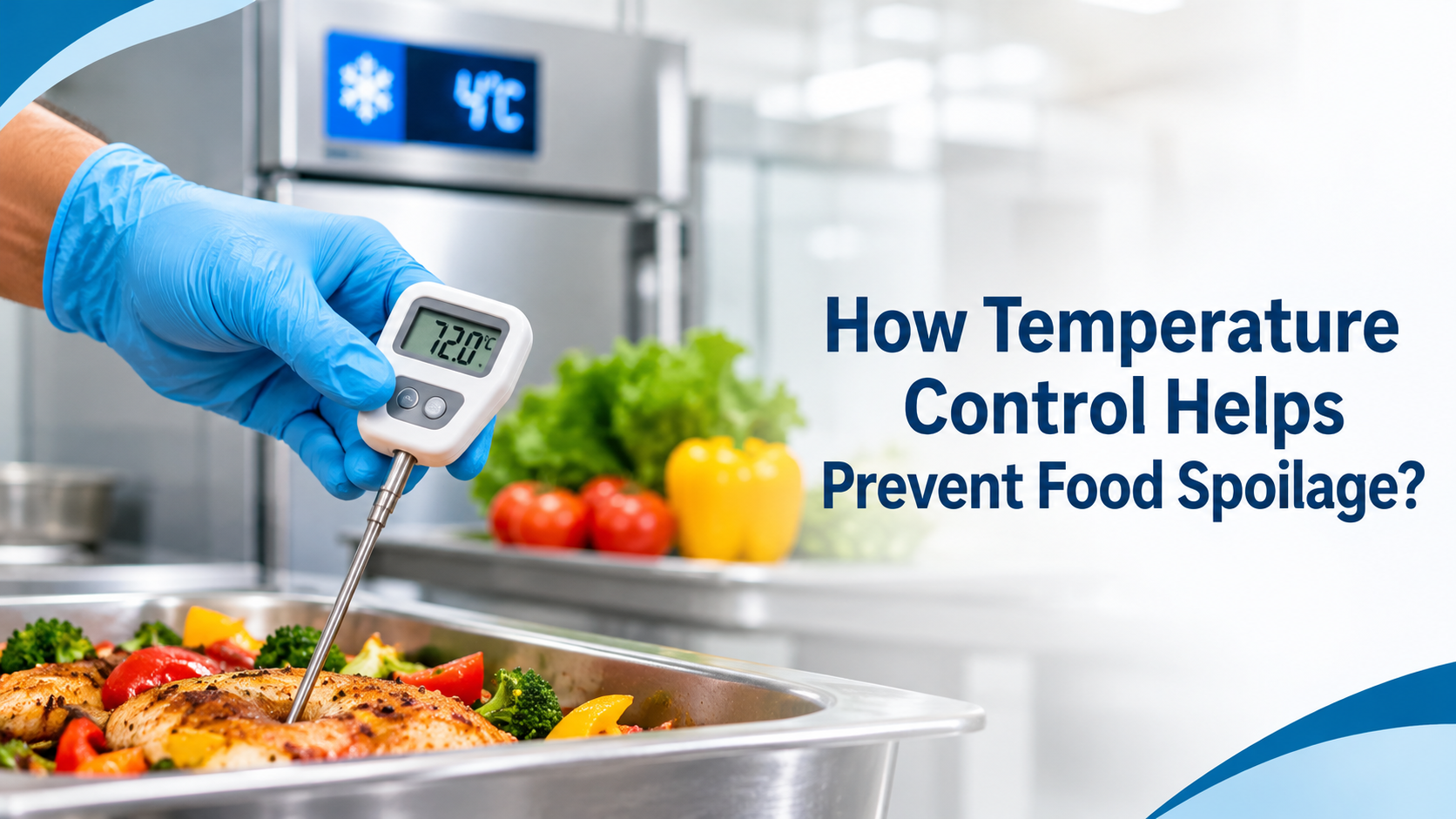
Incorrect storage is another major reason food businesses experience unnecessary waste. Ingredients that are not stored at appropriate temperatures can spoil quickly, affecting both quality and safety.
Businesses should maintain suitable refrigeration and freezing conditions based on the type of food being stored. Regular temperature checks and monitoring records help identify equipment problems before they affect large quantities of food.
Staff must also follow food-specific storage instructions and applicable local food safety requirements. Properly labelled containers, organised storage areas and regular equipment checks can further reduce spoilage.
Plan Portions and Production Carefully
Preparing more food than customers need can result in significant daily waste. Businesses can avoid this by reviewing customer demand, analysing sales patterns and adjusting production quantities.
For example, restaurants can prepare smaller batches during quieter hours and increase production when demand rises. Menu planning can also help businesses use ingredients efficiently across different dishes.
Tracking leftovers and recording frequently wasted items can reveal recurring problems. However, surplus food must always be handled according to food safety procedures. Preparation, cooling, storage and serving practices should never be compromised to save food.
Train Staff in Safe Food Handling
Employees play an important role in preventing food waste. Improper handling, cross-contamination and poor hygiene practices can make otherwise usable ingredients unsafe.
Consistent procedures should guide staff when receiving deliveries, storing ingredients, preparing meals and handling finished products. Training also helps employees recognise spoilage, follow hygiene practices and identify potential food safety risks before they become serious problems.
How HACCP Principles Support Safer Food Waste Reduction?
HACCP (Hazard Analysis and Critical Control Points) is a systematic approach to identifying food safety hazards and establishing controls at relevant stages of food operations.
Its principles include hazard analysis, monitoring, corrective actions and maintaining records. For example, monitoring storage temperatures can help businesses identify refrigeration problems early and prevent larger quantities of food from becoming unsafe.
Similarly, proper documentation helps staff identify recurring issues and improve daily procedures. Businesses involved in catering and manufacturing can benefit from structured food safety knowledge through HACCP certification, which helps professionals understand how food safety systems operate.
Although these practices can reduce avoidable waste, HACCP principles prioritise consumer safety. Food must never be served simply because a business wants to avoid financial losses.
Why Food Safety Training Matters for Aspiring Professionals in Dubai?
Dubai’s food industry includes restaurants, hotels, catering companies and food production businesses that depend on trained employees to maintain hygiene and safety standards. For students planning to build careers in this sector, understanding food safety practices is an important starting point.
Basic food hygiene training introduces learners to essential practices such as personal hygiene, contamination prevention, safe food storage and proper handling techniques. Students can also develop practical knowledge of stock rotation, temperature monitoring and food safety record-keeping.
Those interested in supervisory responsibilities may consider a food safety supervisor course, depending on their career goals, job responsibilities and applicable regulatory requirements.
Before enrolling, students should check the course content, certificate recognition and current food safety training requirements in Dubai. Choosing relevant training can help aspiring professionals build the knowledge needed to work confidently in food businesses.
Reducing food waste and maintaining food safety are responsibilities that must work together. Better stock management, proper temperature control, careful production planning and staff training can help businesses prevent unnecessary losses while protecting consumers.
For aspiring food handlers, understanding these practices is an important step towards building a career in the food industry. Explore CrescoSafe’s Basic Food Safety course to learn essential food hygiene principles and develop the knowledge required for safe food handling.


Subscribe our Newsletter
Sign up to receive more information about us.