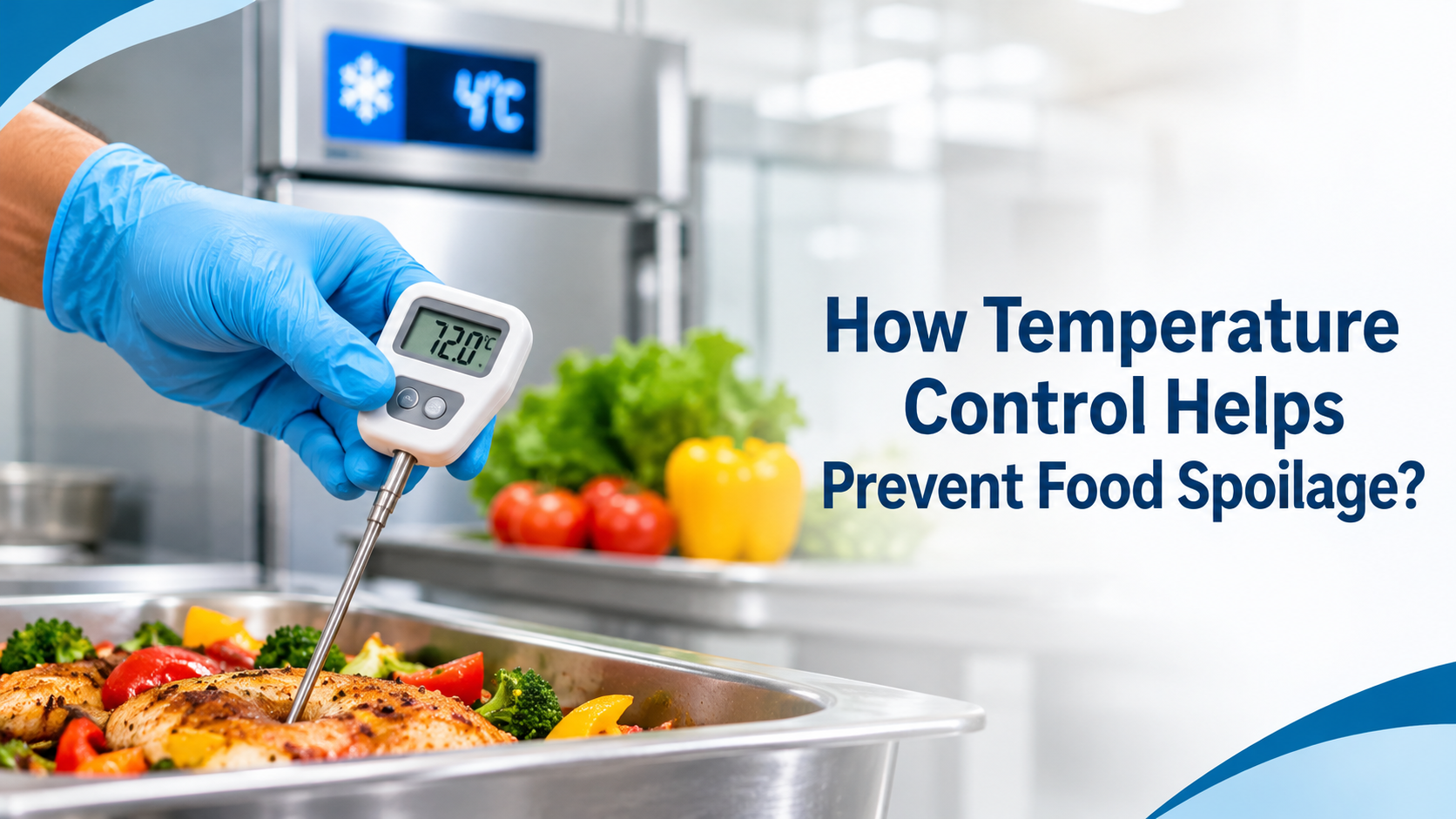
Temperature control is a practical skill taught in food safety training. Incorrect storage can promote the growth of harmful microorganisms, even when food looks fresh. Knowing when to refrigerate, freeze, cook, cool and hold food helps you protect quality and reduce illness risks. For students entering Dubai’s food industry, these are essential daily responsibilities in restaurants, hotels and catering businesses. It connects classroom learning with decisions staff make during busy shifts, when ingredients move between delivery, preparation, cooking and service.
Why Temperature Control Matters in Food Safety?
Microorganisms respond to conditions such as temperature, moisture and food type. Many bacteria multiply quickly when perishable items remain warm, speeding up deterioration and affecting taste, texture and freshness. Meat, seafood, dairy products and cooked meals need proper temperature management. The longer these foods remain in unsafe conditions, the greater the opportunity for microorganisms to multiply and quality to decline.
Food spoilage and foodborne illness are not the same. Spoilage often changes a food’s smell, appearance or texture. Foodborne illness results from consuming harmful microorganisms or toxins. Some bacteria cause no noticeable changes, meaning food can look normal and still be unsafe.
Temperature management is a basic professional control measure that preserves quality and limits pathogen growth.
Essential Temperature-Control Practices Every Food Handler Should Know
Refrigeration and Freezing
Refrigeration slows microbial growth and helps perishable food stay safe longer. Keep refrigerators at or below 5°C (41°F), checking regularly with an appliance probe thermometer. Avoid overfilling shelves so cold air can circulate. Store raw meat and seafood below ready-to-eat food in covered containers to prevent drips and cross-contamination. Check door seals and avoid leaving refrigerator doors open longer than necessary, particularly during busy preparation periods.
Freezing at approximately -18°C (0°F) preserves food longer by stopping most microbial growth. It does not kill every harmful microorganism, however. Surviving microbes can become active after thawing, so handle and cook food safely.
Safe Cooking and Hot Holding
Cooking must bring food to an appropriate internal temperature to destroy harmful microorganisms. Requirements vary by food, so follow approved guidance and workplace procedures. A food thermometer is more reliable than judging food by appearance. Insert it into the thickest part, avoiding bones where relevant, and clean it between uses. For mixed dishes and large portions, take readings in more than one spot to check that the food has heated evenly.
Keep cooked food at the required hot-holding temperature until service. Do not leave dishes at room temperature while waiting. Monitor equipment and record temperatures as required by workplace procedures.
Cooling, Storage and Thawing
Cool cooked food promptly if it will not be served immediately. Divide large quantities into shallow containers so heat escapes faster, following workplace cooling limits. Cover and label stored food, and rotate stock so older items are used first. Do not place a large, steaming pot directly into an already crowded refrigerator. Divide it first and allow safe, rapid cooling.
Never thaw food on a kitchen counter. Use a refrigerator, a microwave if cooking immediately, or an approved cold-water method. Keep raw food separate from ready-to-eat items.
Common Temperature-Control Mistakes to Avoid
Avoid leaving perishable food at room temperature, using warm or overcrowded refrigerators, cooling large batches too slowly, or thawing food on the counter. These shortcuts can undermine safe handling. Set clear routines for checking deliveries, storage units and food on the line, and act immediately when a reading falls outside the required range.
Monitor and record storage temperatures instead of assuming equipment works correctly. Food is not necessarily safe because it looks or smells normal, harmful microorganisms may be undetectable. Consistent checks and corrective action help restaurants, hotels and catering businesses reduce risks.
Applying Temperature-Control Knowledge in Dubai’s Food Industry
Restaurants, hotels and catering businesses in Dubai handle varied ingredients and serve many customers. Safe receiving, storage, preparation and service depend on staff who can manage temperatures throughout the food journey. Refrigerator checks, cooking thermometer readings and cooling records all make a practical difference. Share concerns during shift handovers.
Food safety training introduces these responsibilities before learners enter the workplace. Students may encounter terms such as food handler certification and food and hygiene certificate. Course names, requirements and recognition vary, so check which qualification suits the intended role and confirm applicable Dubai requirements with the relevant authority or employer. Employers may also have role-specific procedures, so learners should understand both their training and the expectations of the establishment.
Temperature control helps prevent spoilage and reduce food safety risks. Correct refrigeration and freezing, thorough cooking, prompt cooling, safe hot holding and regular monitoring all support safer handling. For aspiring food handlers, learning these practices is a valuable first step. Explore CrescoSafe’s Basic Food Safety course to understand essential food-handling practices and prepare for workplace responsibilities.


Subscribe our Newsletter
Sign up to receive more information about us.